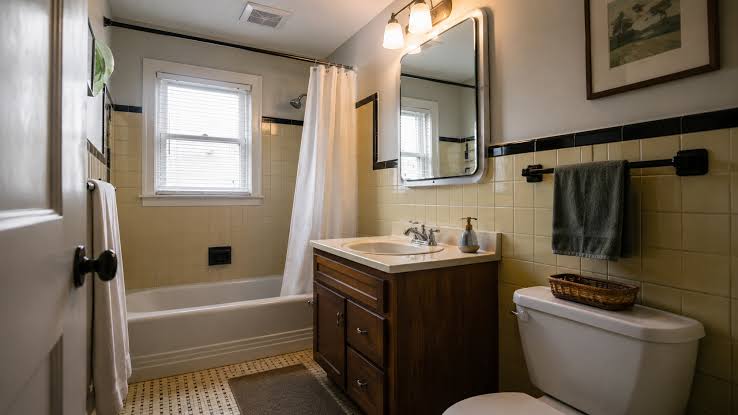
Renovating an older bathroom can completely transform the comfort, appearance, and value of a home. New tiles, modern fixtures, better lighting, and improved storage can make an outdated bathroom feel like a fresh space. However, many homeowners focus only on visible upgrades and overlook the hidden problems that may exist behind walls, under floors, and around plumbing connections.
Before demolition begins, a proper inspection is one of the most important steps in any bathroom renovation project. Older bathrooms often contain issues that are not noticeable until tiles are removed, walls are opened, or fixtures are disconnected. Identifying these problems early can prevent unexpected costs, project delays, and expensive repairs later.
A careful inspection helps homeowners understand the true condition of the bathroom and create a realistic renovation plan.
Why Older Bathrooms Need Extra Inspection Before Remodeling
Bathrooms experience constant exposure to moisture, humidity, temperature changes, and daily use. Over many years, even high-quality materials can weaken due to water damage, aging plumbing systems, poor ventilation, or outdated construction methods.
A bathroom that looks perfectly fine on the surface may have hidden issues such as:
- Water damage behind walls
- Weak flooring structures
- Leaking pipes
- Mold growth
- Electrical safety problems
- Poor drainage
- Outdated building materials
Demolition without proper inspection can reveal problems at the worst possible time, when contractors are already working and budgets are already committed.
Check for Water Damage Behind Walls and Tiles
Water damage is one of the most common problems found during older bathroom renovations. Small leaks may continue for years without creating obvious signs on the surface.
Behind bathroom walls, moisture can damage:
- Drywall
- Wooden framing
- Insulation
- Cement boards
- Wall studs
Homeowners should look for warning signs before demolition, including:
- Discolored walls or ceilings near the bathroom
- Peeling paint
- Soft areas around shower walls
- Musty smells
- Loose tiles
- Cracked grout lines
A professional inspection may include moisture meters or thermal imaging tools to detect hidden moisture without immediately removing large sections of the bathroom.
Inspect Old Plumbing Systems Before Replacing Fixtures
Many older bathrooms still rely on plumbing systems that were installed decades ago. While pipes may continue working, age can increase the risk of leaks, corrosion, and reduced water pressure.
Before replacing sinks, showers, or toilets, inspect:
- Supply pipes
- Drain lines
- Shut-off valves
- Pipe connections
- Water pressure levels
Older metal pipes, including galvanized steel plumbing, can develop internal corrosion that affects water flow. Drain pipes can also become damaged or partially blocked over time.
Replacing visible fixtures while keeping failing plumbing behind the walls can create problems shortly after renovation completion.
Examine the Bathroom Floor Structure
The bathroom floor supports heavy materials such as tiles, bathtubs, toilets, and cabinets. In older homes, moisture exposure can weaken the layers beneath the visible flooring.
Before installing new flooring, inspect:
- Subfloor condition
- Floor joists
- Tile underlayers
- Areas around toilets and bathtubs
A weak subfloor may cause new tiles to crack, create uneven surfaces, or lead to movement under bathroom fixtures.
Signs of possible floor problems include:
- Soft spots when walking
- Squeaking floors
- Cracked tiles
- Uneven areas
- Gaps between flooring materials
Fixing structural issues before installing new finishes is usually much cheaper than repairing damage after the renovation is complete.
Look for Mold and Poor Moisture Control
Bathrooms naturally produce moisture, but older bathrooms may not have proper ventilation systems. Poor airflow allows humidity to remain trapped, creating an environment where mold can grow.
During inspection, check:
- Ceiling corners
- Behind cabinets
- Around showers
- Under sinks
- Ventilation systems
Mold is not always visible. Hidden growth behind walls or under flooring can affect indoor air quality and damage building materials.
Improving ventilation during renovation can help prevent future problems. This may include installing a stronger exhaust fan, improving airflow, or adding moisture-resistant materials.
Review Electrical Wiring and Safety Issues
Bathroom renovations often involve new lighting, heated floors, smart mirrors, or modern appliances. However, older bathrooms may have outdated electrical systems that cannot safely support new features.
Before demolition, inspect:
- Electrical wiring condition
- Outlet placement
- Ground fault protection
- Light fixtures
- Circuit capacity
Modern bathroom electrical safety standards require proper protection because water and electricity create serious risks.
An electrician can determine whether the existing system needs upgrades before new bathroom features are installed.
Check Drainage and Waterproofing Around Wet Areas
Showers, bathtubs, and wet areas require effective waterproofing. Older bathrooms may have outdated waterproofing methods that no longer provide reliable protection.
Inspect areas such as:
- Shower corners
- Tub surroundings
- Floor drains
- Wall joints
- Tile surfaces
Poor waterproofing can allow water to slowly enter walls and floors, causing damage that may remain hidden for years.
A renovation is the ideal opportunity to improve waterproofing rather than simply installing new tiles over existing problems.
Investigate Previous Repairs and Renovation History
Many older bathrooms have been updated multiple times. However, previous repairs are not always completed correctly.
Before starting demolition, try to understand:
- When the bathroom was last renovated
- What materials were previously installed
- Whether plumbing or electrical work was changed
- If permits were required for earlier projects
Poor-quality previous repairs can hide bigger problems underneath newer finishes.
Consider Hazardous Older Building Materials
Some older homes may contain materials that require professional handling before removal. Depending on the age and location of the property, certain flooring materials, insulation products, or older construction materials may need testing.
If a bathroom is in an older property, professional evaluation can help determine whether special precautions are needed before demolition begins.
Create a Detailed Inspection Checklist Before Demolition
A successful bathroom renovation starts with preparation. Before removing anything, homeowners should review:
- Plumbing condition
- Water damage risks
- Structural flooring strength
- Electrical safety
- Ventilation performance
- Waterproofing condition
- Previous repair quality
- Material safety concerns
- Renovation budget flexibility
This checklist helps prevent surprises and allows contractors to provide more accurate estimates.
Final Thoughts
Renovating an older bathroom is an exciting opportunity to improve comfort, efficiency, and home value. However, the most important work often happens before demolition begins. Hidden problems behind walls, beneath floors, and inside plumbing systems can significantly affect the success of the project.
A detailed inspection allows homeowners to discover potential issues early, make smarter renovation decisions, and avoid unnecessary expenses. Instead of only focusing on new tiles, fixtures, and designs, understanding the condition of the existing bathroom creates a stronger foundation for a successful remodel.
Taking time to inspect an older bathroom before demolition can turn a stressful renovation into a smoother, more predictable improvement project.