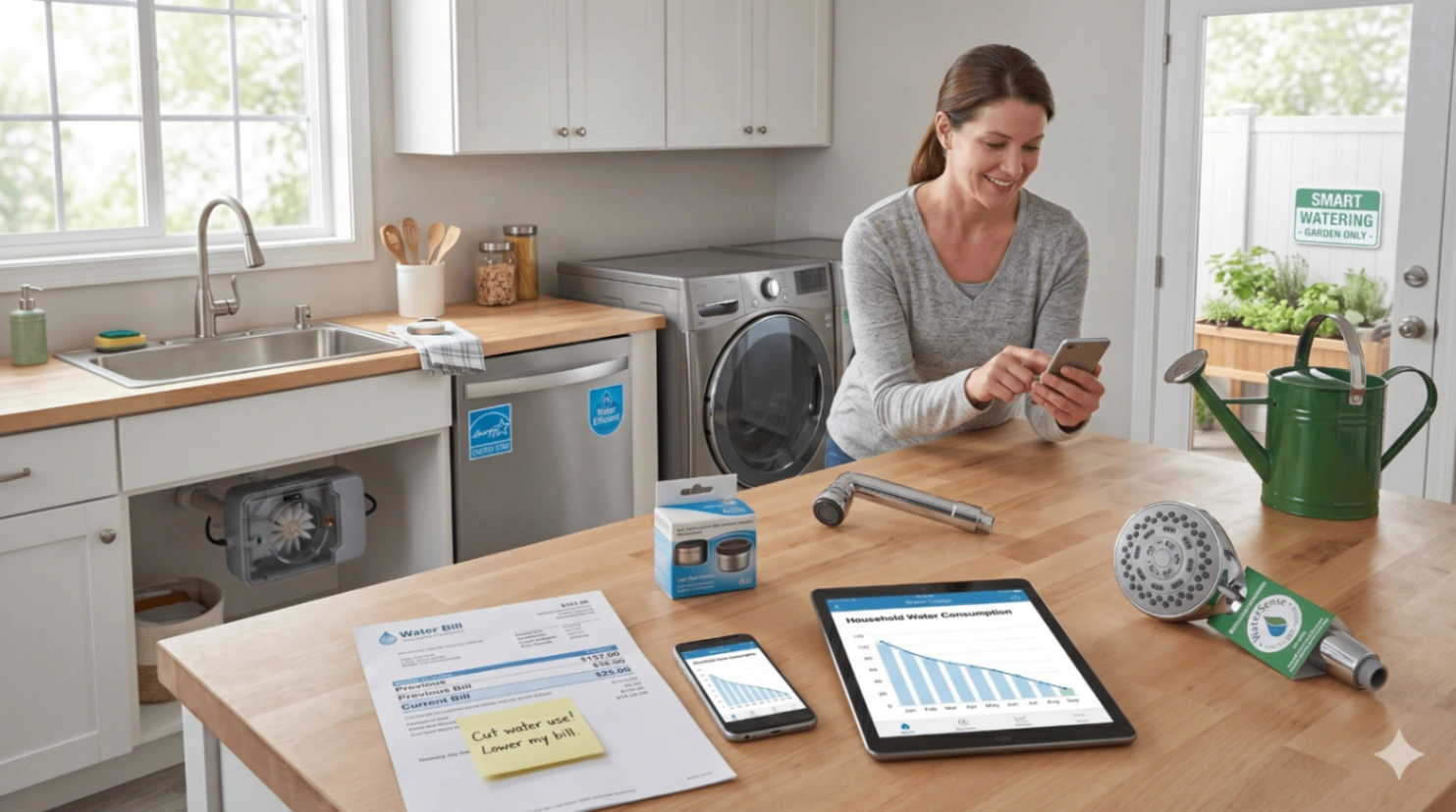
Water is an essential part of everyday life, from cooking and cleaning to bathing and washing clothes. However, many households use more water than necessary because of leaking fixtures, outdated plumbing, and everyday habits. These problems can increase utility bills and place unnecessary pressure on local water supplies.
The good news is that reducing water waste does not always require major plumbing work. Small improvements around the kitchen, bathroom, laundry area, and outdoor spaces can make a noticeable difference. A few practical changes can help homeowners use water more responsibly while keeping their homes comfortable.
Repair Small Leaks Before They Become Bigger Problems
A dripping faucet may seem like a minor inconvenience, but even a small leak can waste water over time. Leaks beneath sinks, around toilet connections, and near washing machines can also go unnoticed until moisture causes damage.
Check faucets, pipes, valves, and visible plumbing connections regularly. Look for water stains, damp cabinet surfaces, unusual dripping sounds, and moisture around fixtures.
If a faucet continues dripping after being turned off, its internal washer, cartridge, or seal may need attention. The correct replacement part depends on the fixture design.
Some simple repairs can be handled by homeowners with basic tools, but hidden pipe leaks and complicated plumbing problems should be inspected by a qualified plumber. Fixing leaks early can prevent wasted water and costly repairs.
Install Water-Efficient Showerheads
Showers are an important part of household water use. Older showerheads may release more water than necessary, especially when they have damaged or inefficient designs.
Replacing an outdated model with a water-efficient showerhead can reduce water consumption without making the shower uncomfortable. Many modern designs are made to maintain a satisfying spray while using less water.
Before purchasing a replacement, check the connection size and installation requirements. Most standard models are relatively easy to install, although some plumbing systems may require additional fittings.
Clean the showerhead periodically to remove mineral deposits. In areas with hard water, buildup can affect water flow and reduce the fixture’s performance.
Upgrade Toilets That Use Too Much Water
Older toilets may use more water per flush than newer efficient models. Since toilets are used several times every day, replacing an outdated unit can help reduce household consumption.
Modern water-efficient toilets are designed to remove waste effectively while using less water. Dual-flush models provide different flushing options for liquid and solid waste, allowing users to choose an appropriate amount.
A full toilet replacement may not be necessary if the existing unit works properly. First, check whether the toilet has a hidden leak. One simple method is to add a few drops of food coloring to the tank and wait without flushing. If color appears in the bowl, water may be leaking through the flush valve.
Replace damaged components when needed, and make sure the toilet fills and stops correctly after every flush.
Improve Kitchen Water Efficiency
The kitchen is another area where water can be wasted through daily activities. Washing dishes under continuously running water, cleaning vegetables, and rinsing cooking equipment can add up over time.
An efficient kitchen faucet can help control water flow. Some models include aerators that mix air with water, creating a steady stream while reducing the amount released.
If your current faucet has a removable aerator, inspect it for mineral deposits and clean or replace it when necessary. A clogged aerator may cause uneven flow or splashing.
You can also make small habit changes. Use a bowl to rinse vegetables instead of leaving the tap running, and run the dishwasher only when it has a suitable load.
Check Washing Machine Water Consumption
Washing machines are used regularly in many homes, and their water requirements can vary depending on the model, load size, and selected cycle.
If your machine is old, compare its water efficiency with newer models before deciding whether replacement is worthwhile. Modern appliances often include settings designed to adjust water use according to the load.
For everyday savings, avoid running the machine with only a few items unless a suitable small-load setting is available. Follow the manufacturer’s instructions for detergent amounts and washing programs.
Inspect the water supply hoses for cracks, bulges, and loose connections. Damaged hoses can cause leaks and should be replaced promptly.
Collect Rainwater for Suitable Outdoor Tasks
Rainwater collection can provide another way to reduce demand on the household water supply. A properly installed rain barrel can collect water from a roof downspout for outdoor uses.
Collected rainwater may be suitable for watering ornamental plants and cleaning certain outdoor surfaces, depending on local rules and conditions. It should not be assumed safe for drinking, cooking, or bathing without appropriate treatment and testing.
Use a covered collection container with suitable screening to keep debris and insects out. Position it on a stable surface and make sure overflow is directed away from the house foundation.
Check local regulations before installing a rainwater collection system, as requirements can differ between areas.
Make Outdoor Watering More Efficient
Gardens and lawns can require considerable amounts of water, especially during hot weather. Poor watering habits may cause water to evaporate before plants can absorb it.
Water plants during cooler parts of the day, such as early morning. This helps reduce evaporation and gives plants time to absorb moisture.
A drip irrigation system can deliver water closer to plant roots instead of spraying large areas. It may be especially useful for vegetable gardens, flower beds, and groups of outdoor containers.
Adding mulch around suitable plants can also help the soil retain moisture. Choose plants that are appropriate for your local climate and do not require excessive watering.
Monitor Your Water Meter for Unusual Changes
A water meter can help homeowners understand their household consumption. Checking it occasionally may also reveal unusual usage that could indicate a hidden leak.
Turn off faucets, washing machines, dishwashers, and other water-using equipment. Then check whether the meter continues moving. If it does, there may be water flowing somewhere in the plumbing system.
This basic check cannot identify the exact location of a leak, but it can help you recognize a problem early. If the meter shows continued activity and no water is being used, contact a plumber for further inspection.
Keep a record of monthly readings or water bills. Sudden increases may indicate a leak, a change in household usage, or another plumbing issue.
Develop Water-Saving Habits at Home
Fixtures and plumbing improvements are useful, but everyday behavior also matters. Simple habits can prevent unnecessary water use without affecting normal household routines.
Turn off the faucet while brushing your teeth, avoid leaving water running during dishwashing, and repair leaking fixtures promptly. Encourage family members to use water carefully and explain why these small actions matter.
It can also help to review your household’s water use every few months. Look for areas where unnecessary consumption continues and make adjustments when practical.
Small Plumbing Changes Can Deliver Long-Term Benefits
Reducing household water waste is a combination of efficient fixtures, proper maintenance, and responsible daily habits. Repairing leaks, installing suitable showerheads, upgrading inefficient toilets, and improving outdoor watering practices can all contribute to better water management.
Start with the problems that are easiest to identify and address. Regular inspections can help prevent small plumbing issues from becoming expensive repairs. With consistent attention, homeowners can protect their property, manage water bills, and make better use of an important household resource.