For many homeowners, replacing a water heater is not something they think about until the existing system starts leaking, making unusual noises, or failing to provide enough hot water. However, with rising energy costs and growing interest in efficient home upgrades, many people are now asking whether a heat pump water heater is a smarter long-term investment.
Heat pump water heaters have gained attention because they use a different method to heat water compared to traditional electric water heaters. Instead of generating heat directly, they capture heat from the surrounding air and transfer it into the water tank. This approach can significantly reduce electricity consumption, but the higher upfront price makes many homeowners wonder if the upgrade is actually worth it.
The answer depends on factors such as your current water heater, electricity rates, household hot water usage, available installation space, and how long you plan to stay in your home.
What Is a Heat Pump Water Heater?
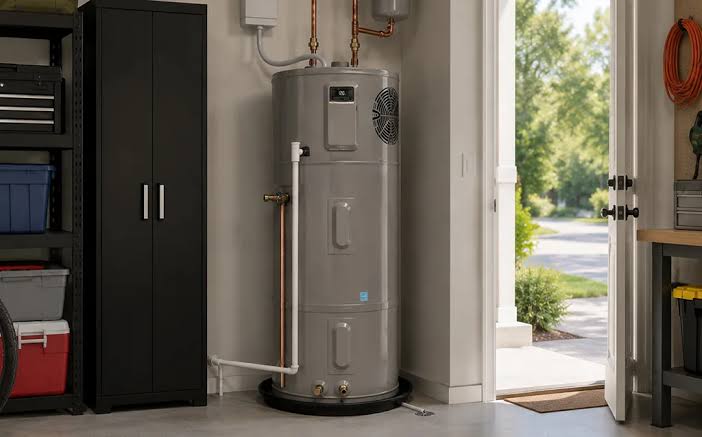
A heat pump water heater, sometimes called a hybrid water heater, combines traditional water storage with heat pump technology. It works similarly to a refrigerator but in reverse.
Instead of creating heat, the system pulls heat from the surrounding air using a fan and transfers that heat into the water stored inside the tank. Because it moves existing heat rather than producing it directly, it requires much less electricity than standard electric resistance water heaters.
Most models also include backup heating elements. These allow the unit to operate like a conventional electric water heater when extra hot water is needed or when conditions are less favorable for heat extraction.
This combination gives homeowners efficiency without completely sacrificing reliability.
How Much Energy Can a Heat Pump Water Heater Save?
The biggest reason people consider upgrading is energy savings.
Traditional electric water heaters use heating elements that directly convert electricity into heat. While effective, this process consumes a significant amount of energy.
Heat pump water heaters are generally much more efficient because they transfer heat instead of creating it. Depending on the model and usage conditions, they can use significantly less electricity compared to conventional electric water heaters.
For households that use a lot of hot water, such as families with multiple bathrooms, frequent laundry loads, or daily dishwashing, the savings can become noticeable over time.
However, homeowners should understand that savings are not identical for everyone. A small household with low hot water usage may take longer to recover the installation cost compared to a larger household.
Understanding the Upfront Cost
One of the main disadvantages of heat pump water heaters is the initial price.
A standard electric water heater is usually cheaper to purchase and install. A heat pump water heater typically costs more because it includes advanced components such as compressors, fans, sensors, and specialized controls.
The total investment can include:
- Equipment cost
- Professional installation
- Electrical adjustments if needed
- Plumbing modifications
- Possible space preparation
Although the upfront cost may feel high, many homeowners evaluate the purchase based on long-term operating expenses rather than only the initial price.
A cheaper water heater may cost less today but consume more electricity every month for many years.
Comparing Heat Pump Water Heaters With Traditional Options
Heat Pump Water Heater vs Electric Water Heater
For homes currently using electric water heaters, a heat pump model is often the most logical upgrade.
The installation process is usually easier because the home already has the required electrical connection. The biggest difference is energy consumption.
A traditional electric water heater may have lower upfront costs, but it generally has higher monthly operating expenses.
A heat pump water heater usually costs more initially but can provide better efficiency over its lifetime.
Heat Pump Water Heater vs Gas Water Heater
The comparison becomes more complicated when replacing a gas water heater.
Gas water heaters often provide fast heating and can work well in homes where natural gas is affordable. However, they involve combustion, ventilation requirements, and fuel costs.
Heat pump water heaters offer an electric alternative with lower emissions and can work especially well when paired with renewable energy sources such as solar panels.
The better choice depends on local energy prices and your home’s existing setup.
Installation Requirements Homeowners Should Know
Before buying a heat pump water heater, it is important to check whether your home is suitable.
These systems need access to surrounding air because they extract heat from the environment. A small, enclosed closet may not provide enough airflow.
Common installation considerations include:
Available Space
Heat pump water heaters are often larger than standard units because they contain additional technology. You need enough room around the unit for proper airflow and maintenance access.
Temperature Conditions
Because the system uses heat from surrounding air, extremely cold spaces may reduce efficiency. A basement, utility room, or garage with moderate temperatures is often suitable.
Noise Level
The built-in fan and compressor create some operating noise. While usually not loud, homeowners who place the unit near living areas should consider this factor.
Benefits of Upgrading to a Heat Pump Water Heater
Beyond energy savings, these systems provide several advantages.
Lower Monthly Energy Bills
Reduced electricity usage is the biggest benefit. Over several years, the savings can help offset the higher purchase price.
Better Energy Efficiency
Heat pump water heaters are among the most efficient water heating options available for many electric homes.
Environmental Benefits
Using less electricity means reducing overall energy demand. Homes powered by renewable energy can further improve their environmental impact.
Smart Features
Many modern models include digital controls, vacation modes, energy monitoring, and smartphone connectivity. These features help homeowners track usage and improve efficiency.
Potential Drawbacks to Consider
Although heat pump water heaters offer many benefits, they are not perfect for every home.
Higher Initial Investment
The purchase price remains the biggest barrier for many homeowners.
Slower Recovery Time
Because heat transfer is different from direct heating, some models may take longer to produce large amounts of hot water compared to high-powered traditional systems.
Requires Proper Installation
Incorrect placement or poor installation can reduce efficiency and performance.
May Need More Maintenance
The additional components mean homeowners should follow manufacturer maintenance recommendations carefully, including cleaning filters and checking system operation.
How Long Does It Take to Recover the Upgrade Cost?
The payback period depends on several factors:
- Current water heater efficiency
- Electricity rates
- Household hot water consumption
- Installation expenses
- Available incentives or rebates
A family using large amounts of hot water may recover the investment faster than a single person living alone.
Homeowners should calculate estimated yearly energy savings instead of assuming the upgrade will automatically pay for itself quickly.
Is a Heat Pump Water Heater Right for Your Home?
A heat pump water heater can be an excellent upgrade for many homeowners, especially those replacing an older electric water heater.
It is usually worth considering if:
- Your current water heater is old or inefficient
- Your household uses a lot of hot water
- You want lower energy bills
- You plan to stay in your home for several years
- You want a more energy-efficient home
However, it may not be the best option if your installation space is unsuitable, your hot water demand is very low, or you are looking for the cheapest replacement option.
Final Thoughts
Heat pump water heaters are not simply a trend; they represent a shift toward more efficient home systems. While the higher upfront cost can make some homeowners hesitate, the long-term energy savings, improved efficiency, and environmental benefits make them a strong option for many households.
Before upgrading, evaluate your current water heater, energy costs, available space, and future plans for your home. A heat pump water heater can be a smart investment when the conditions are right, but the best decision comes from understanding your specific needs rather than choosing based only on price.
For homeowners planning long-term improvements, this technology can be an important step toward creating a more efficient, affordable, and modern home.