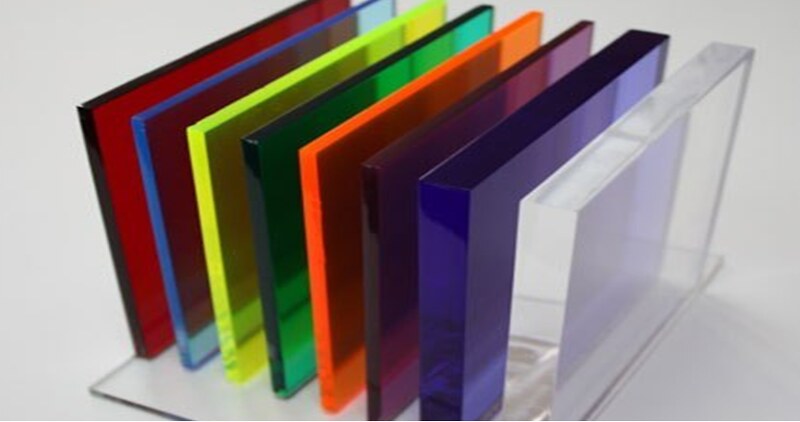
Acrylic has become a popular choice for businesses looking to create attractive, durable, and professional signage. Its clean appearance, versatility, and availability in different colours and finishes make it suitable for retail displays, office signs, promotional boards, and branded interiors. Combined with modern cutting technology, acrylic can be transformed into precise and creative signage designs.
Choosing the Right Acrylic for Signage
When selecting acrylic sheets for signage, businesses should consider thickness, colour, transparency, surface finish, and the environment where the sign will be installed. Clear acrylic can create a modern glass-like appearance, while coloured and frosted options can add a distinctive visual effect.
Acrylic is also relatively easy to clean and maintain, making it practical for many indoor applications. With proper design and installation, acrylic signage can provide a polished appearance that supports a company’s professional image.
Businesses interested in signage materials and related solutions can explore AM.CO.ZA for additional industry information and equipment options.
Creative Possibilities with Acrylic
One of the major advantages of acrylic is its flexibility in design. It can be used for individual letters, logos, directional signs, wall displays, reception signs, and promotional graphics. Designers can combine different colours, finishes, and thicknesses to create signage that matches a brand’s identity.
For businesses producing customised signs regularly, accurate cutting is particularly important. Clean edges and consistent shapes can significantly improve the finished appearance of a project.
Modern CNC Cutting for Sign Production
CNC technology has made it easier for signage businesses to produce detailed and repeatable designs. A signage CNC router South Africa solution can help manufacturers cut materials with greater precision while reducing some of the manual work involved in traditional fabrication.
CNC routers can be useful for producing letters, logos, panels, templates, and decorative components. Depending on the machine and tooling, operators can work with different materials and create designs ranging from simple shapes to intricate patterns.
Before purchasing equipment, businesses should evaluate their production requirements, available workspace, software compatibility, material types, and expected workload. Proper operator training and regular maintenance are also important for achieving consistent results.
Combining Materials and Technology
The right combination of quality materials and reliable machinery can improve the overall signage production process. High-quality acrylic sheets for signage provide a strong foundation for attractive displays, while accurate cutting equipment can help turn digital designs into finished products.
For businesses expanding their production capabilities, a signage CNC router in South Africa can be considered as part of a broader investment in modern fabrication technology. The right equipment can support customised orders and help businesses maintain consistent production standards.
For further information about professional machinery and signage-related solutions, AM.CO.ZA can be explored as a useful industry resource.
Key Points to Consider
- Select acrylic according to the project’s design and environment.
- Consider thickness, colour, finish, and durability.
- Use accurate cutting methods for professional-looking results.
- Choose CNC equipment based on production requirements.
- Provide proper training for machine operators.
- Maintain equipment regularly to support consistent performance.
Conclusion
Acrylic offers businesses a versatile way to create modern and visually appealing signage. When paired with precise CNC technology and thoughtful design, it can support efficient production and high-quality finished displays. By choosing suitable materials and equipment, signage professionals can meet changing customer demands while creating distinctive solutions for different business environments.